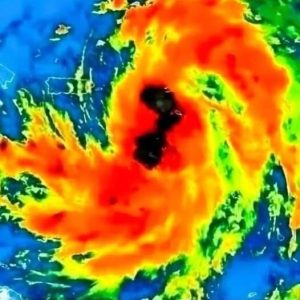
Extreme weather is hitting the Caribbean and parts of the southeastern U.S. all at once, creating added pressure for communities already used to seasonal challenges. Officials say the unusual part is not the events themselves but that they are “happening together,” making response efforts more difficult.
A small earthquake near Trinidad early in the week caused little damage but still raised concern during an already active weather stretch. Meanwhile, parts of Central America are dealing with heavy rain and flooding. Some of these areas were already saturated from earlier storms, so the new rainfall “made the impact stronger,” forcing evacuations and slowing travel.
At the same time, a thick Saharan dust plume has spread across the Caribbean. The dust has created “hazy skies” and lowered air quality, prompting health officials to warn sensitive groups to stay indoors. Airlines are also watching shifting visibility to avoid delays and disruptions.
Meteorologists are monitoring several developing tropical systems, including Tropical Storm Flossie. It’s still uncertain how intense these storms might become, but experts say warm ocean water could “support further development” in the coming days.
The biggest issue is the combination of all these events. Emergency teams are stretched between flood response, air-quality concerns, and tracking potential storms. Authorities urge residents to stay informed through official updates, gather essential supplies, and follow guidance. With careful planning and cooperation, communities hope to stay safe “until conditions stabilize.”