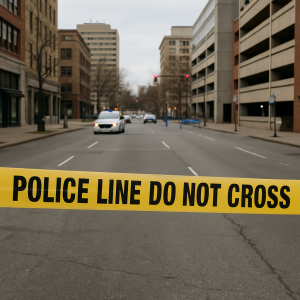
They will remember the shoes first. Sandals and sneakers scattered where families had danced, abandoned mid-step when the first shots cracked across the shoreline. Witnesses say the music didn’t stop right away; for a few stunned seconds it played on, a cruel soundtrack to the screams. Then came the stampede toward the water, parents lifting children over barriers, strangers grabbing the hands of people whose names they never learned.
In the days since, Australia has been forced to look directly at a terror it once believed belonged somewhere else. The questions now run deeper than security briefings or political speeches. People ask how a festival of light became a target, how hatred walked so easily onto a beach. Yet amid the horror, a different story is quietly taking root: of shared grief, improvised heroism, and a stubborn refusal to let one night rewrite who they are.