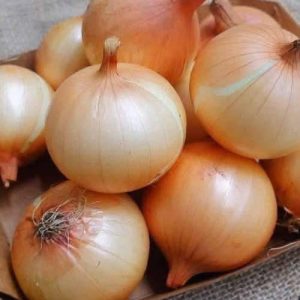
Onions have long been a staple in home kitchens around the world, valued for their ability to deepen flavor and enhance nearly any dish. They appear in countless recipes, from fresh salads to hearty soups, rich sauces, and quick stir-fries. Whether eaten raw for sharpness, roasted for sweetness, or slowly caramelized for depth, onions adapt easily to different cooking styles. Beyond their culinary role, onions also contain naturally occurring nutrients and plant compounds that make them a meaningful part of a balanced diet when combined with other whole foods.
One reason onions are frequently mentioned in nutrition discussions is their antioxidant content. They contain flavonoids such as quercetin, a plant compound that helps protect cells from everyday environmental stress. Onions belong to the Allium family, which includes garlic, leeks, and shallots, vegetables that have been widely studied for their contribution to general health. Among onion varieties, red and yellow onions tend to offer higher concentrations of these beneficial compounds than white onions.
Onions also support digestive health in a gentle, natural way. They provide dietary fiber and prebiotics that help nourish beneficial gut bacteria, contributing to smoother digestion over time. In addition, onions supply small amounts of vitamin C, potassium, and other micronutrients that assist with normal immune and circulatory functions. When included regularly as part of a varied diet, onions may help support healthy blood sugar and cholesterol levels already within a normal range.
While onions offer many benefits, they are not equally comfortable for everyone. Some people experience bloating or mild stomach discomfort, particularly when eating raw onions. Cooking onions can soften their effects on digestion while preserving much of their flavor and nutritional value. Moderation is key, and small servings are often enough to enjoy their advantages.
Onions are not a cure or treatment for health conditions, but they are a simple, accessible way to add nutritional value to daily meals. Their versatility allows them to fit easily into many cuisines and dietary patterns. By preparing them in ways that suit individual tolerance, most people can enjoy onions without discomfort.
When consumed mindfully, onions remain one of the most practical and flavorful ingredients available. Their balance of taste, tradition, and nutritional support explains why they continue to be a trusted staple in kitchens across cultures.