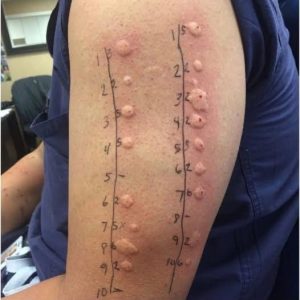
The human body usually operates with a steady, reliable rhythm, but at times it sends urgent signals that something serious is happening beneath the surface. A breakout of hives may seem like a minor irritation, often blamed on a simple allergy or skin reaction. However, when these symptoms appear alongside changes in breathing, the situation can quickly become far more serious.
In such moments, the skin can act as an early warning sign of a deeper internal reaction. What seems like a surface issue may actually point to a severe, whole-body allergic response known as anaphylaxis. Recognizing this connection is not about fear, but about awareness that can make a critical difference.
Anaphylaxis is a rapid and intense reaction in which the immune system mistakenly treats a harmless substance as a threat. This can happen to anyone, even without a history of allergies. One of the most concerning aspects is its unpredictability, as it can develop suddenly and escalate within minutes.
A person may have been exposed to the same food, medication, or environment for years without any problem. Yet over time, the immune system can change, and something once harmless can trigger a severe response. This shift often occurs without warning, making it especially important to recognize early signs.
When the body reacts this way, symptoms can intensify quickly, leaving little time to respond. Understanding these signals and acting promptly can be life-saving, turning awareness into the most important tool in preventing a dangerous outcome.