Reading the Signs: A Practical Guide to Understanding Nail Lines

Your nails can reveal subtle clues about your overall health, sometimes reflecting internal changes before they become noticeable elsewhere. Ridges or lines may develop over time, running either vertically or horizontally. While these are often harmless, they can occasionally be linked to nutrition, stress, or lifestyle factors.

Vertical ridges are the most common and usually appear as a natural part of aging. As nail growth becomes slightly uneven over time, these lines form without indicating any serious issue. In some cases, they may also be associated with low levels of certain nutrients, such as iron or B vitamins.

Maintaining a balanced diet, staying hydrated, and practicing good overall health habits can support stronger and smoother nail growth. However, mild vertical ridges are generally not a cause for concern and are considered a normal variation.

Horizontal lines, often referred to as Beau’s lines, are less common and may signal a temporary interruption in nail growth. This can occur after illness, physical stress, or injury, and may reflect events that happened weeks or months earlier.

While nail changes alone are not a diagnosis, it’s important to monitor any persistent or unusual patterns. Good nail care, protection from harsh chemicals, and consulting a healthcare professional when needed can help ensure both nail health and overall well-being.

a1

Related Posts

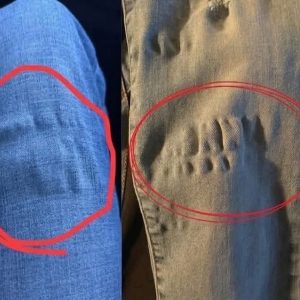
Jeans developing ripples, puckering, or uneven wrinkles after washing is a common issue, especially with modern stretch denim. While it may seem like sudden damage, it’s usually the result of how the fabric reacts to washing and drying. These changes are not random or necessarily due to poor quality, but rather to the materials used and how they respond to heat and movement. Unlike traditional denim made from 100% cotton, most modern jeans include elastic fibers such as elastane or Lycra. These fibers add stretch and comfort, allowing jeans to fit closely and move easily. However, they are also more sensitive to heat and mechanical stress, making them more vulnerable during regular laundering. High temperatures are one of the main causes of fabric distortion. When exposed to heat, especially in dryers, elastic fibers can weaken or break down over time. As their structure deteriorates, they lose the ability to maintain even tension across the fabric, which leads to visible waves or puckering. Once the elastic support is compromised, the cotton fibers no longer behave uniformly. Some areas may tighten while others loosen, creating an uneven surface. This is why the distortion often appears in patches rather than as consistent shrinkage across the entire garment. Unfortunately, this type of damage is difficult to reverse once it occurs. The best approach is prevention—washing jeans in cold water, using gentle cycles, and avoiding high heat drying can help preserve the fabric’s structure and keep them looking smooth for longer.

Jeans developing ripples, puckering, or uneven wrinkles after washing is a common issue, especially with modern stretch denim. While it may seem like sudden damage, it’s usually…

Dreaming of Those Who Have Passed Away Reveals Emotional Bonds That Endure Beyond Loss and Time

Dreaming of someone who has passed away often carries a deeper emotional intensity than ordinary dreams. These experiences tend to feel vivid and personal, as if the…

Discover the Natural, Effective, and Safe Way to Repel Rats and Mice Using Vick’s Vaporub

Controlling rats and mice at home can be difficult, as these pests are highly adaptable and persistent. Traditional methods like traps and poisons can be effective, but…

Keeping Tucker Carlson in Our Thoughts as Family Shares a Heartfelt Tribute!

Richard Dick Carlson was born into instability, moving through the foster care system at a time when many children simply disappeared into it. Instead of being defined…

Scientists Announce Surprising Discovery That a Common Everyday Food

“For many people, the cucumber is little more than a side ingredient—something sliced into salads, stacked inside sandwiches, or served with dip at parties.” However, researchers now…

What I Found on My Pant Leg After Walking Outside

“Have you ever gone for a relaxing walk through a park, field, or trail, only to look down later and notice your pant legs covered in tiny…

Leave a Reply

Your email address will not be published. Required fields are marked *