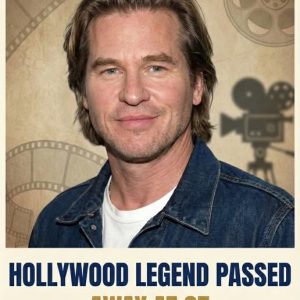
His life began in chaos. Born in Cologne during the final months of World War II, he arrived just hours before “the hospital was obliterated in an air raid.” Surviving by chance shaped him early. Raised by a single mother, he later learned that “the man his mother loved had another family,” a discovery that pushed him inward, where imagination became his escape and, eventually, the start of his creative drive.
As a young man, he moved to London searching for possibility. Acting wasn’t part of his plans until a stranger remarked that he looked like “someone who belonged on a stage.” The idea stuck. Soon he was auditioning, discovering an intensity that made him stand out. His 1970 horror-film role could have been forgettable, but he turned it into something “unsettling, magnetic, human,” earning the attention of directors who valued sincerity over convention.
His path shifted again on a flight where he met director Paul Morrissey. “A simple conversation” led to roles in cult classics, opening doors he never expected. Though he could have become a typical leading man, he preferred characters with “jagged edges,” roles that demanded emotional honesty.
His collaborations with Rainer Werner Fassbinder defined a bold era in European cinema. Later work in Breaking the Waves, Dogville, and Melancholia showed how even “a glance, a silence” could leave a lasting impression. Off-screen, he was known as warm and loyal, far from the eerie figures he often portrayed.
His death at 81 marked the loss of an artist who proved that truth in acting matters more than polish. Udo Kier “didn’t just act—he transformed,” leaving behind a legacy of fearless, unforgettable work.