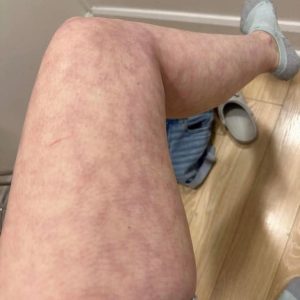
Noticing bright, raised veins on the hands can feel alarming, but in most cases it is completely normal. As the article explains, “prominent hand veins are extremely common and, in most cases, completely normal.” Hand skin is naturally thin, and veins sit just beneath the surface, making them easier to see—especially in people with fair skin or as skin loses thickness with age.
Body composition and daily factors also affect vein visibility. Lean or athletic individuals often have more noticeable veins because there is less fat covering them. After exercise, veins may temporarily stand out due to increased blood flow. Heat, hydration, hot showers, and pregnancy can also make veins appear larger, changes that are usually harmless and temporary.
However, visible veins are not always just cosmetic. “Bulging, twisted, or rope-like veins can be early signs of varicose veins,” caused by weakened valves that allow blood to pool. While more common in the legs, they can occasionally appear in the hands and may cause discomfort or heaviness.
Certain symptoms should not be ignored. If visible veins are accompanied by pain, swelling, warmth, redness, or tenderness, it may signal inflammation or a clot-related condition. Sudden changes, hard or painful veins, or swelling require medical evaluation, and symptoms like chest pain or shortness of breath need emergency care.
Overall, visible hand veins usually reflect normal circulation, aging, fitness, or heat. Most require no treatment, but understanding warning signs helps distinguish harmless changes from situations that need medical attention.