Many people assume the refrigerator is the safest place to store any type of food. While this seems logical, some foods react poorly to cold temperatures. Refrigeration can change their texture, reduce nutrients, and sometimes alter their chemical composition.
These changes are not always obvious—food may still look and smell normal while gradually losing quality and nutritional value. Potatoes are one example. When stored in cold temperatures, the starch inside them converts into sugar. When these potatoes are later cooked at high temperatures, this change can lead to the formation of unwanted compounds.
Refrigeration can also affect taste and texture. Instead, potatoes should be stored in a dark, dry, well-ventilated place such as a pantry or cupboard, away from direct sunlight.
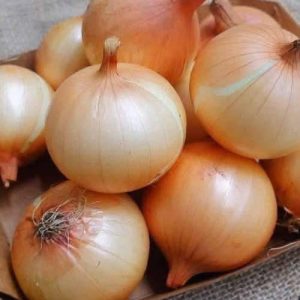
Onions also don’t respond well to the refrigerator’s humid environment. Moisture can make them soften and spoil more quickly. Excess humidity may also encourage mold or microorganisms to develop. For best results, onions should be kept in a cool, dry place with good airflow—such as a basket or paper bag—so they stay firm and fresh longer.
Tomatoes are another food that loses quality in the refrigerator. Cold temperatures slow the natural ripening process and damage the internal structure of the fruit. This often makes tomatoes mealy, less flavorful, and softer than they should be. Storing them at room temperature, away from direct sunlight and preferably stem-side up, helps preserve their flavor and texture.
Garlic can also be affected by refrigeration. In cold, humid conditions it may begin to sprout more quickly, which can change its flavor and texture. Moisture may also lead to mold growth. Keeping garlic in a dry, cool, well-ventilated place—such as an open container or basket—helps it last longer while maintaining its quality.
Bread is another item that many people refrigerate unnecessarily. Cold temperatures speed up the process that makes bread become stale and hard. Instead, bread keeps better at room temperature in a cloth or paper bag. If it won’t be eaten within a few days, freezing it is a better option than refrigeration, as it preserves freshness for a longer period.