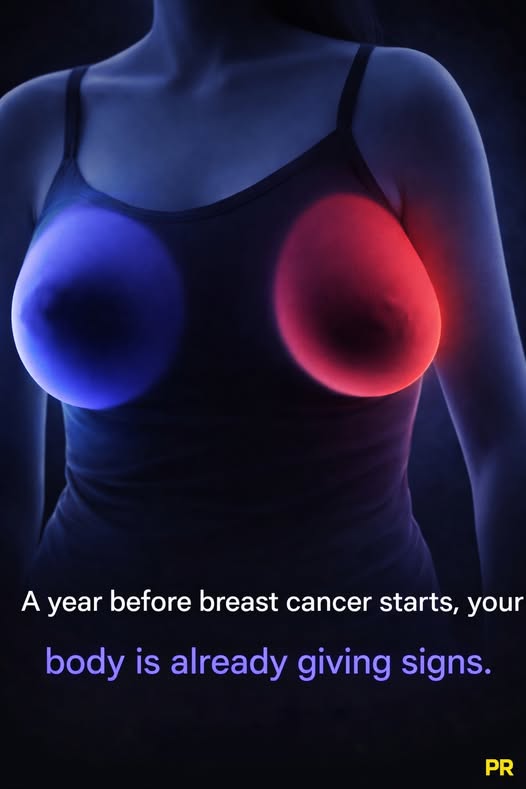
Changes in the breasts or surrounding areas are not always cancer, but they can indicate shifts in the mammary glands that require attention. The body often gives early warning signs, and recognizing them can improve long-term health outcomes.
A lump or swelling in the armpit is an important sign. Lymph nodes may enlarge during infection, but lumps that persist, grow, or feel hard or fixed should be evaluated by a doctor. Abnormal breast cells can appear there early, making prompt assessment essential.
The breasts themselves may show warning signs. Persistent localized pain, skin thickening, changes in size or shape, unusual nipple discharge, redness, dimpling, or an orange-peel texture should not be ignored, even though some changes are often benign.
Proper medical testing is necessary to identify the cause. Physical exams, ultrasounds, mammograms, and biopsies help doctors determine whether changes are harmless or require treatment, reducing anxiety and ensuring timely care.
Monthly breast self-exams are strongly recommended. They help individuals learn what is normal for their body so changes are noticed quickly. The best time is shortly after menstruation or on a consistent monthly date. From age forty, regular mammograms become essential, with screening frequency guided by personal risk factors. Mammograms can detect problems long before symptoms appear.
Early detection makes a major difference. When breast cancer is found early, treatment options expand, recovery rates improve, and physical and emotional impacts are often reduced. Healthy habits, such as balanced nutrition, regular exercise, limited alcohol, and stress management, support overall breast health. If something feels unusual, seeing a doctor promptly is the most effective form of protection.
Leave a Reply