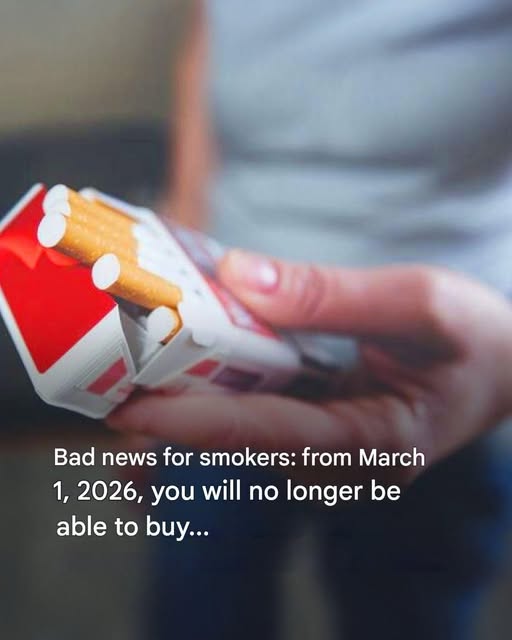
Cigarette prices in France have steadily increased over the past two decades due to strict government policies aimed at reducing smoking. Unlike most products, tobacco pricing is controlled by the state, so sellers cannot change prices or offer discounts.
Prices are first proposed by manufacturers or importers, including costs and margins, but must be approved by authorities before being applied. The process is monitored by the Direction générale des douanes et droits indirects to ensure compliance. Once approved, prices are fixed nationwide, and retailers must follow them without adjustment.
The final price of cigarettes has three main parts. The manufacturer receives about 15%, while retailers earn around 8% to 10%. The largest share comes from taxes, which make up “approximately 75% to 80% of the total price,” meaning most of what consumers pay goes to the state.
Two main taxes are included. Excise duty is based on tobacco quantity and price, using a mixed formula. Value-added tax (VAT) is added directly to the final cost. If excise duty falls below a set minimum, a fixed minimum tax is applied instead. These taxes are regularly updated as part of public health policies.
France has followed a long-term strategy of raising prices to discourage smoking, especially among younger people. By increasing taxes, the government makes tobacco less affordable and less attractive over time.
This approach has led to a major price shift. In the early 2000s, a pack cost about €3, while by 2026 it has risen to around €12.50–€13, with some brands costing more. The steady increase reflects a deliberate effort to reduce tobacco use and address its health impacts, making cigarette pricing both an economic and public health tool.
Leave a Reply