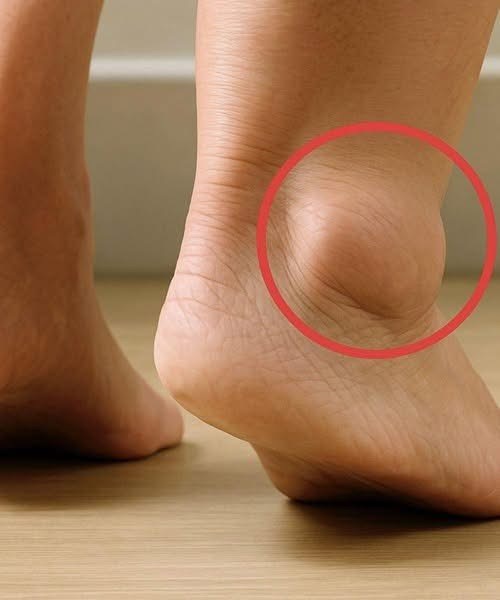
Swollen feet are a common concern among older adults, often appearing after long periods of sitting or standing. While occasional swelling can be harmless, frequent or persistent changes may point to underlying health issues. Paying attention to these signs can help maintain both comfort and mobility.
This condition, known as edema, occurs when excess fluid collects in the tissues of the lower legs and feet. As the body ages, circulation may become less efficient, making fluid retention more likely. Reduced blood flow can cause fluid to settle in the extremities, leading to visible swelling and a feeling of heaviness.
Poor circulation is one of the most frequent causes, especially for individuals who remain in the same position for extended periods. Conditions such as chronic venous insufficiency can further affect how blood returns to the heart, contributing to swelling, discomfort, and sometimes changes in the skin around the ankles.
Certain medications can also play a role. Treatments for high blood pressure, diabetes, or inflammation may lead to fluid retention as a side effect. In some cases, swelling in the feet may signal more serious conditions involving the heart, kidneys, or liver, making it important not to ignore persistent symptoms.
Daily habits have a strong influence as well. Limited physical activity can slow circulation, while long stretches of sitting, such as during travel, may worsen fluid buildup. Diet is another key factor, as consuming too much sodium encourages the body to retain water, increasing swelling in the lower limbs.
Managing and preventing swelling often involves simple, consistent actions. Staying active, elevating the feet when possible, and wearing supportive footwear can improve circulation. Compression socks may also help, while a balanced diet with reduced sodium and adequate potassium supports healthy fluid balance and overall well-being.
Leave a Reply