• What It Truly Means When Women Choose Pinky Rings Today, How a Small Finger Became a Big Symbol of Independence

    What It Truly Means When Women Choose Pinky Rings Today, How a Small Finger Became a Big Symbol of Independence

    For much of recorded history, rings have functioned as a quiet visual language, signaling values, hierarchy, and expectation without the need for words. Long before contracts or public declarations became common, a ring could instantly communicate allegiance, legitimacy, or obligation. Its circular form suggested permanence and continuity, making it a natural symbol for enduring promises. Over time, this meaning became deeply woven into cultural rituals tied to love, inheritance, power, and belonging.

    As these traditions evolved, the ring finger became especially charged with meaning. Myths about a vein leading directly to the heart, reinforced by religious teachings and repeated across generations, elevated its significance. Eventually, rings became closely tied to romantic partnership and marital status, narrowing their symbolism into something more specific. Wearing a ring in a certain way no longer reflected only personal expression, but also social position and expectation.

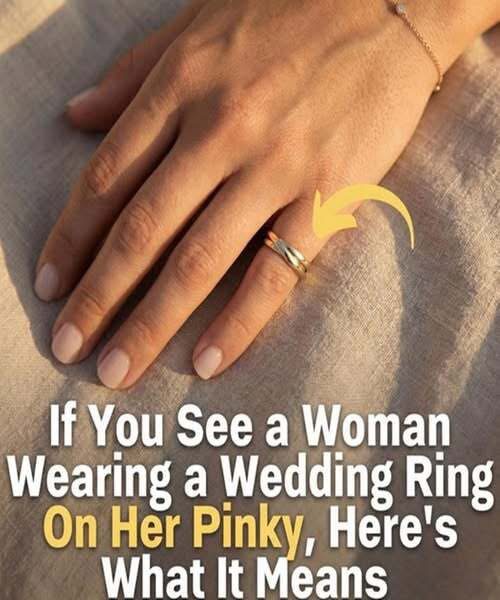
    Against this backdrop, the growing presence of women wearing rings on their pinky fingers introduces a subtle yet meaningful shift. It draws attention away from the finger most associated with obligation and toward one that has long existed on the margins of convention. What may appear as a simple aesthetic choice often carries a deeper reevaluation of identity, worth, and fulfillment. Rather than rejecting tradition entirely, the pinky ring expands it, making space for meanings that have often gone unrecognized.

    The pinky finger itself holds a unique symbolic role, often linked in philosophical and astrological traditions to communication, intuition, and self-expression. Associated with Mercury, it reflects articulation rather than obligation. Because it has not been bound to a single dominant meaning, it allows for a more personal interpretation. When a woman chooses to wear a ring there, she is not stepping into a predefined role but creating one of her own.

    For some, the pinky ring marks a turning point after loss or transition—a divorce, the end of a relationship, or the closing of a defining chapter. Instead of leaving absence behind, it becomes a symbol of continuation. For others, it honors deeply personal achievements that rarely receive public recognition, such as overcoming hardship, building independence, or finding emotional stability. In this way, the ring transforms private milestones into something tangible and enduring.

    On a psychological level, wearing a pinky ring with intention can feel grounding. Rings have always symbolized commitment, but when that commitment is directed inward, it reshapes the experience. Many see it as a promise to themselves—a reminder to maintain boundaries, trust their instincts, and uphold self-respect. In cultures that often tie worth to external validation, this inward focus can feel quietly radical.

    The historical associations of pinky rings add another layer to their modern meaning. Once linked to wealth, rebellion, or authority—often through a masculine lens—they carried connotations of status and power. Today, when women adopt the pinky ring, they reshape that symbolism into something more personal. It becomes less about dominance over others and more about sovereignty over self.

    This transformation is reflected in the wide variety of styles women choose. Some prefer delicate, understated bands that feel intimate and almost private, while others select bold designs, engravings, or stones that carry personal significance. Unlike engagement or wedding rings, there are no strict rules guiding their appearance. This freedom allows each ring to hold a meaning defined entirely by the wearer.

    While social media has amplified the visibility of pinky rings, it is not the source of their significance. The motivation behind them is usually rooted in lived experience rather than trend. Many women wear these rings without explaining their meaning, allowing the symbolism to remain personal. In a world that often demands visibility and validation, this quiet privacy becomes a form of strength.

    Ultimately, the rise of the pinky ring reflects a broader cultural shift in how identity and fulfillment are understood. It moves away from narrow narratives that place romantic partnership at the center of a woman’s worth and toward a more expansive view of what it means to live a full life. It does not dismiss tradition but challenges the idea that it should define everyone in the same way.

    Small in size but rich in meaning, the pinky ring honors personal growth with the same weight long given to public milestones. It creates space for stories rooted in resilience, autonomy, healing, and self-definition. In doing so, it reshapes the language of adornment, turning a subtle gesture into a powerful expression of self-worth.


  • Former Playboy Bunny Kendra Wilkinson hits back at comments that she’s ‘aged poorly’

    Former Playboy Bunny Kendra Wilkinson hits back at comments that she’s ‘aged poorly’

    Kendra Wilkinson recently responded to criticism about her appearance with a sense of honesty and self-acceptance, choosing not to engage with online negativity. Best known for her role on The Girls Next Door alongside Holly Madison and Bridget Marquardt, she rose to fame in the mid-2000s while living at the Playboy Mansion with Hugh Hefner.

    More than a decade later, Wilkinson’s priorities have shifted significantly toward personal growth, career, and family life. When faced with comments suggesting she had “aged poorly,” she responded with confidence, making it clear that she no longer feels the need to rely on filters or chase unrealistic standards.

    At 40, she says she feels more grounded and genuinely happy than ever before. Rather than resisting change, she embraces both the physical and emotional evolution that comes with time, viewing it as a natural and meaningful part of her journey.

    Looking back on her early years in the spotlight, Wilkinson admitted that she once felt pressure to meet public expectations and maintain a certain image. While those experiences shaped her, they also taught her the importance of authenticity and the value of living for herself instead of others.

    Today, she works as a real estate agent and dedicates much of her energy to raising her children. She describes motherhood as her greatest joy, finding a deeper sense of fulfillment in family life than she ever did in fame or public attention.

    With a renewed sense of peace, Wilkinson expresses gratitude for where she is now. She emphasizes that true confidence comes from within, offering a powerful reminder that aging is natural and that self-worth should never be defined by outside opinions.

  • Kai Trump! A Young Golfer Building Her Own Path in the Spotlight

    Kai Trump! A Young Golfer Building Her Own Path in the Spotlight

    Kai Trump, 17, the granddaughter of former U.S. President Donald Trump, is beginning to gain attention on her own. While “her family name is widely recognized around the world,” Kai is gradually becoming known for her personal interests, especially her passion for golf. As the eldest grandchild, she is carving her own path through sports, education, and personal goals.

    Born on May 12, 2007, in New York City, Kai is the daughter of Donald Trump Jr. and Vanessa Trump. “Her name carries a special family connection, as she was named after her maternal grandfather, Danish jazz musician Kai Ewans.” Her birth, slightly earlier than expected during a charity event, was a memorable moment for family members present.

    Kai grew up in a close-knit family environment, spending much of her early life with siblings and cousins. “These strong family bonds played an important role in shaping her upbringing and helped create a supportive environment as she grew older.” Family photos and shared memories show the warmth and connection of her childhood.

    Despite being part of a family long in the public eye, Kai’s early years were relatively private. She appeared occasionally in family images during the 2016 presidential campaign, but “much of her time was dedicated to school and personal interests rather than public appearances.”

    Now, Kai is slowly stepping into the public spotlight, balancing her family legacy with her own ambitions. Her growing presence reflects a young woman who is learning to navigate recognition while pursuing her personal passions.

  • How Breast Size Connects to Hormones and Overall Health

    How Breast Size Connects to Hormones and Overall Health

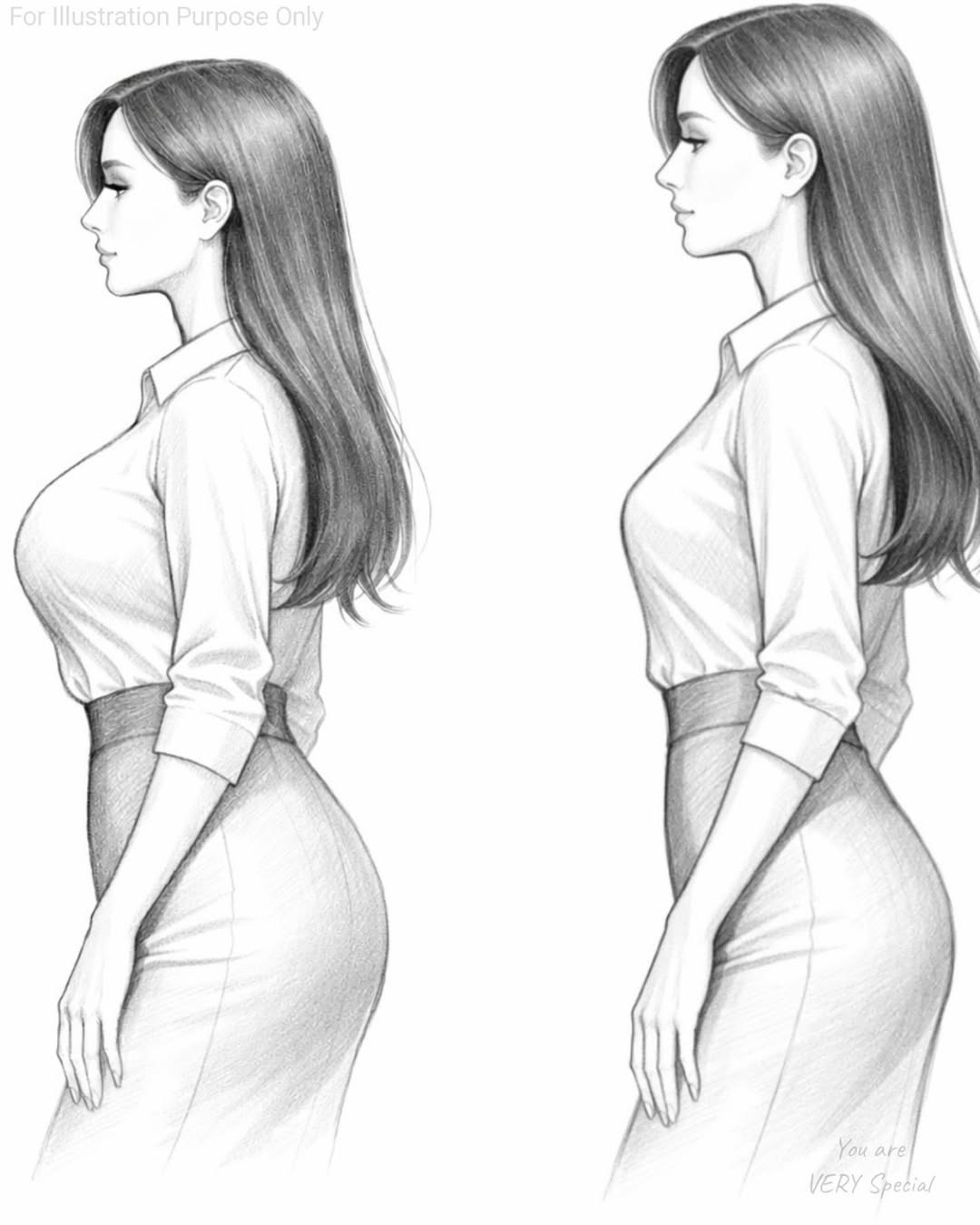
    Breast size is influenced by “genetics, hormones, age, body fat, and everyday habits.” These factors interact differently in every body, which is why breast size varies widely among women. Despite societal focus on appearance, “breast size does not determine a woman’s health, fertility, strength, or femininity.” Health cannot be judged by a single feature; true well-being reflects how the body functions as a whole.

    Some studies have linked larger breasts to back discomfort or type 2 diabetes, but these connections are usually due to overall body weight rather than breast tissue itself. Since breasts consist largely of fat, “changes in body weight can influence their size,” highlighting that overall body health—not breast size—is what truly matters.

    Hormones also affect breast size at different life stages. During puberty, pregnancy, breastfeeding, and menopause, shifts in estrogen and progesterone can naturally alter breast tissue. Aging may reduce skin elasticity and breast density, while weight gain or loss can expand or shrink fat cells. These are normal changes throughout life.

    Prioritizing healthy habits is more important than focusing on size. “Eating a balanced diet that includes fruits, vegetables, whole grains, healthy fats, and lean proteins can support hormone balance and overall well-being.” Regular exercise strengthens muscles and bones, proper hydration and rest help the body recover, and stress management through mindfulness or gentle stretching improves overall health. Some explore herbal options like sage or maca root, but these should be used cautiously with professional guidance.

    Body image also impacts emotional well-being. “Comparing oneself to unrealistic standards can create unnecessary pressure and undermine self-confidence.” Accepting and caring for one’s body as it is helps build genuine confidence. Ultimately, breast size is only one aspect of appearance. Strong immunity, balanced hormones, consistent energy, and emotional resilience are far better measures of health than physical shape.

  • What Vertical Lines on Your Nails Can Reveal About Aging

    What Vertical Lines on Your Nails Can Reveal About Aging

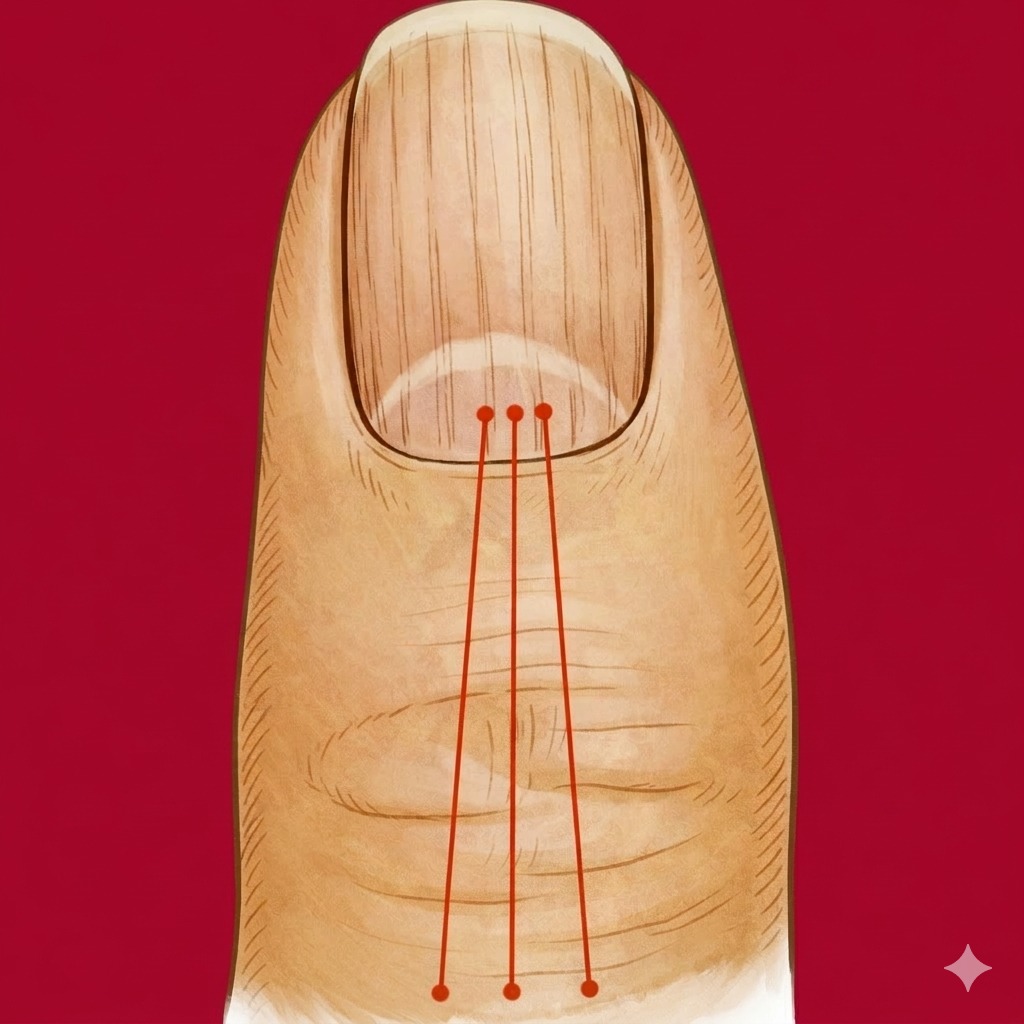
    Noticing thin vertical lines running from the base of your fingernails to the tips can be surprising, especially after 40. These lines, called vertical or longitudinal nail ridges, are usually normal and “a natural part of aging, similar to wrinkles in the skin or changes in hair texture.” Nails change as the body matures, and these subtle lines are generally harmless.

    Fingernails are made of keratin, a protein produced in the nail matrix beneath the cuticle. Over time, production can slow or become uneven, creating ridges. Dryness often makes them more visible, and aging nails retain less moisture. Frequent handwashing or exposure to harsh soaps can strip natural oils, emphasizing the lines.

    Lifestyle and internal factors also affect nail texture. Mild nutritional imbalances can impact growth, and circulation changes influence how well nutrients reach the nail matrix. Gradual shifts in blood flow can subtly alter nail appearance over time.

    Caring for nails is simple. “Regularly moisturizing nails and cuticles helps reduce dryness,” and wearing gloves during chores protects nails from chemicals and water. Staying hydrated, eating a balanced diet, and filing nails gently all support healthier growth.

    While vertical ridges are usually harmless, monitoring changes in color, shape, or discomfort is wise. These signs can help track overall nail and general health, ensuring any potential issues are noticed early.

  • 10+ Foods to Help Lower Your Blood Sugar

    10+ Foods to Help Lower Your Blood Sugar

    Maintaining healthy blood sugar is essential for long-term wellness, especially for those managing insulin resistance, prediabetes, or diabetes. “Daily food choices play a major role in keeping glucose stable,” alongside exercise and hydration. Certain foods can slow digestion, improve insulin sensitivity, and reduce sugar spikes.

    Leafy Greens and Berries
    Spinach, kale, and Swiss chard are rich in fiber, magnesium, and antioxidants. “These nutrients help improve insulin function and slow the absorption of sugar into the bloodstream.” Berries like blueberries and strawberries offer sweetness with less sugar, while their fiber and antioxidants help stabilize glucose.

    Protein and Healthy Fats
    Eggs provide protein, healthy fat, and essential nutrients without causing blood sugar spikes. Fatty fish like salmon and sardines supply omega-3s that “help reduce inflammation and improve how the body uses insulin.” Nuts, seeds, and avocados slow digestion and reduce post-meal sugar rises while supporting heart health and weight management.

    Legumes and Whole Carbs
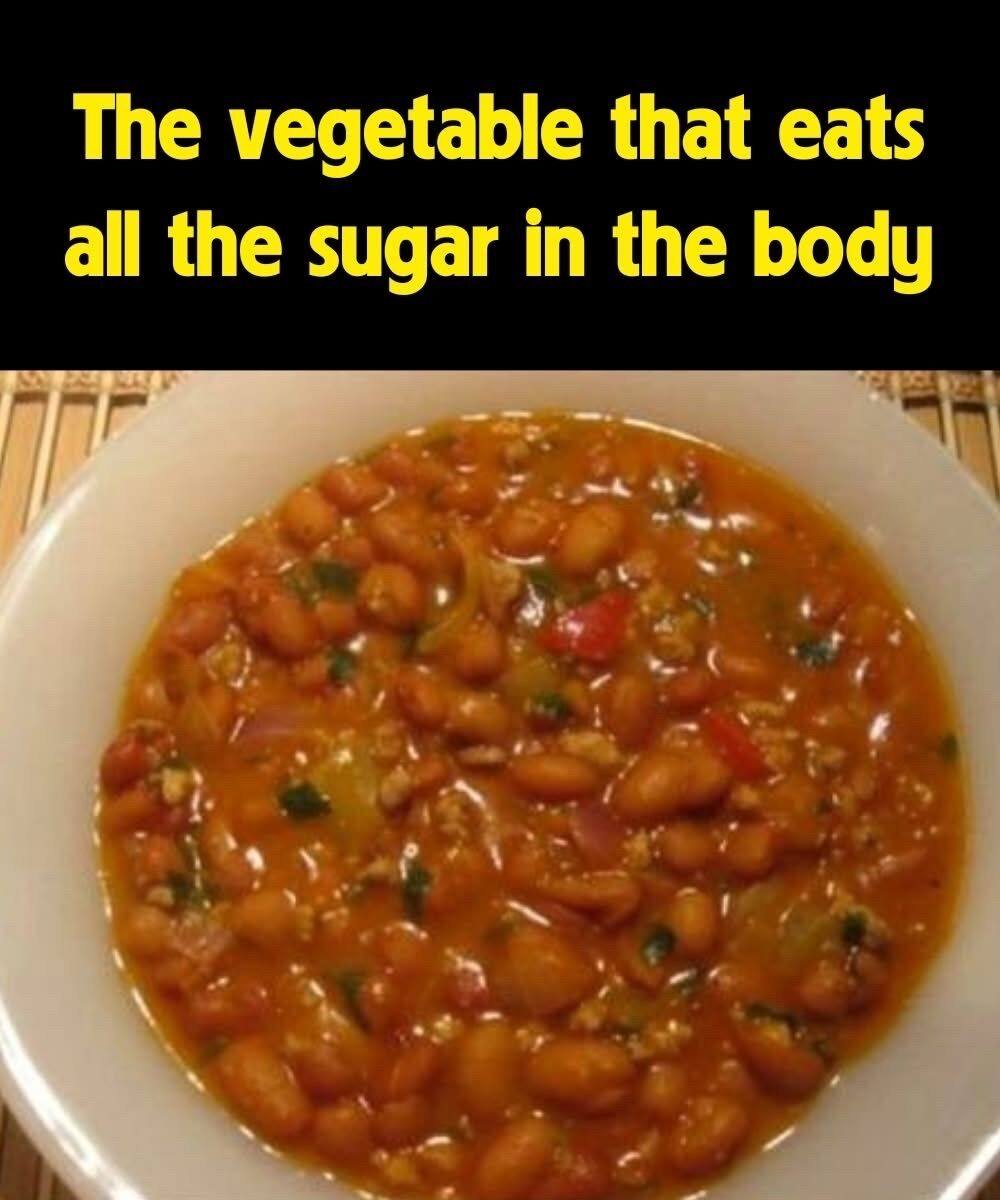
    Beans, lentils, and sweet potatoes digest slowly due to fiber and protein, preventing sharp blood sugar increases. “When eaten in moderation, they provide steady energy without causing dramatic glucose spikes.”

    Supportive Additions
    Greek yogurt with probiotics promotes gut health, which is important for blood sugar regulation. Cinnamon may “improve insulin sensitivity and lower fasting blood sugar,” while apple cider vinegar can slow carbohydrate digestion and boost insulin response when taken before meals.

    Incorporating these foods consistently, with proper portions and by pairing carbohydrates with protein or healthy fats, creates steady energy and prevents sugar highs and crashes. Over time, these choices support better glucose control, metabolic health, and overall vitality.

  • Honoring My Dad with My Prom Dress Led to a Moment No One Expected

    Honoring My Dad with My Prom Dress Led to a Moment No One Expected

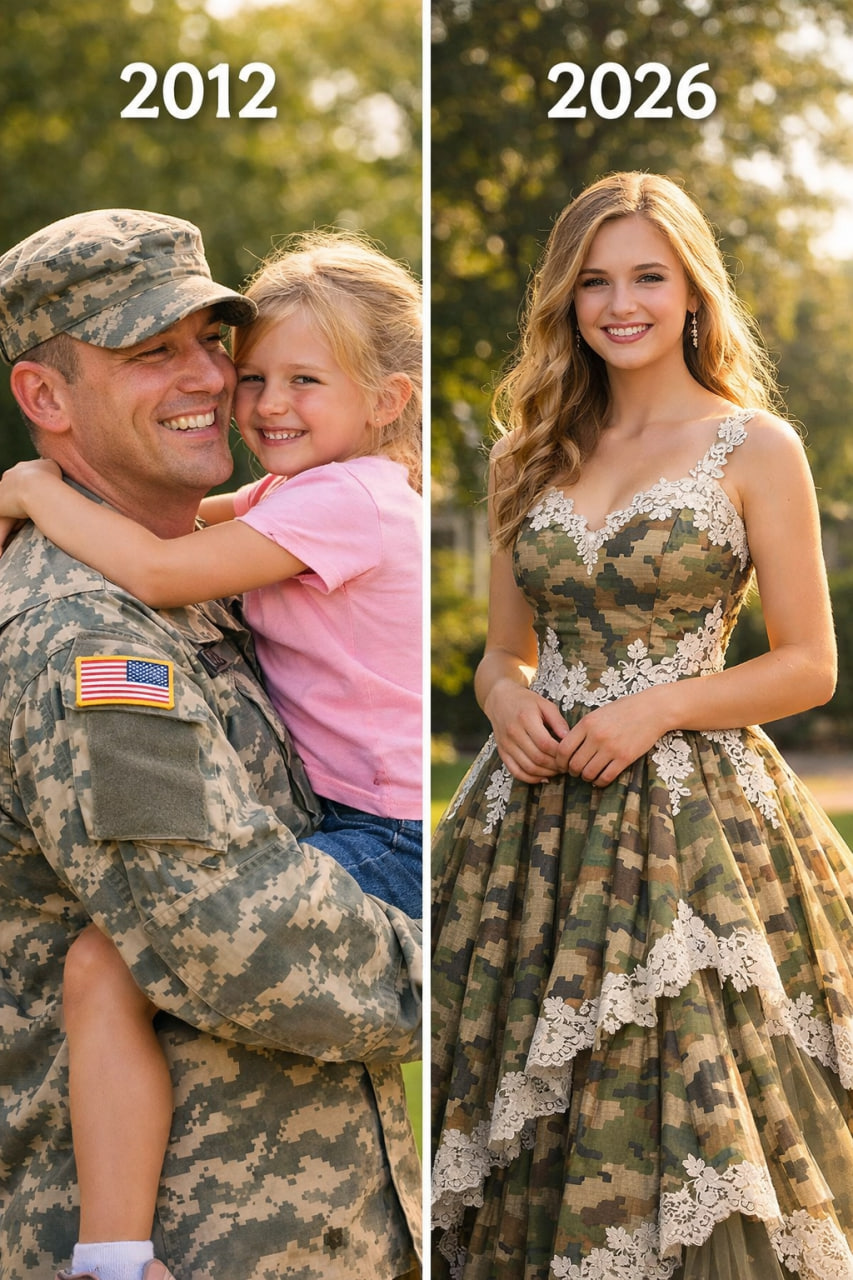
    The first night I tried to stitch the dress, my hands trembled. The needle slipped and pierced my thumb. I swallowed the cry, wiped the blood on an old rag, and kept going, careful not to let a single drop touch the olive fabric. That fabric wasn’t just cloth—it “still smelled faintly like him, a faint trace of aftershave and warmth that hadn’t faded.” If Camila or her daughters caught me with it, laughter and cruel comments would follow.

    So, I worked in silence. Each cut of the scissors, each pull of thread, felt less like sewing and more like holding myself together. Some nights, I pressed the jacket to my face, remembering how he guided my hands at the sewing machine—“patient, steady, as if nothing could go wrong as long as he was there.” After he married Camila, everything shifted. Her warmth appeared only when he was present, and the house felt theirs.

    I’d stand in his old room, clutching the jacket, whispering into silence. I told myself he could still hear me, and somehow, I almost imagined him answering: “Wear it like you mean it, Chels.” That’s when the idea came—not just to wear the uniform, but to transform it. I wanted to take what he left behind and turn it into something that belonged to me. Weeks of secret sewing followed, late nights under a dim lamp, hiding every piece of fabric when footsteps approached.

    Three nights before prom, I nearly gave up—fingers aching, a drop of blood on the seam—but when I slipped the dress on and looked in the mirror, I didn’t see the girl they ignored. I saw him. I saw me. I saw something whole.

    On prom night, their laughter greeted me, expecting mockery. I held my head high. Then came the doorbell. A military officer delivered my father’s instructions: the house had “always been mine.” That night, I danced freely, finally stepping into something that truly belonged to me.

  • Doctors reveal that eating eggs in the morning causes ….

    Doctors reveal that eating eggs in the morning causes ….

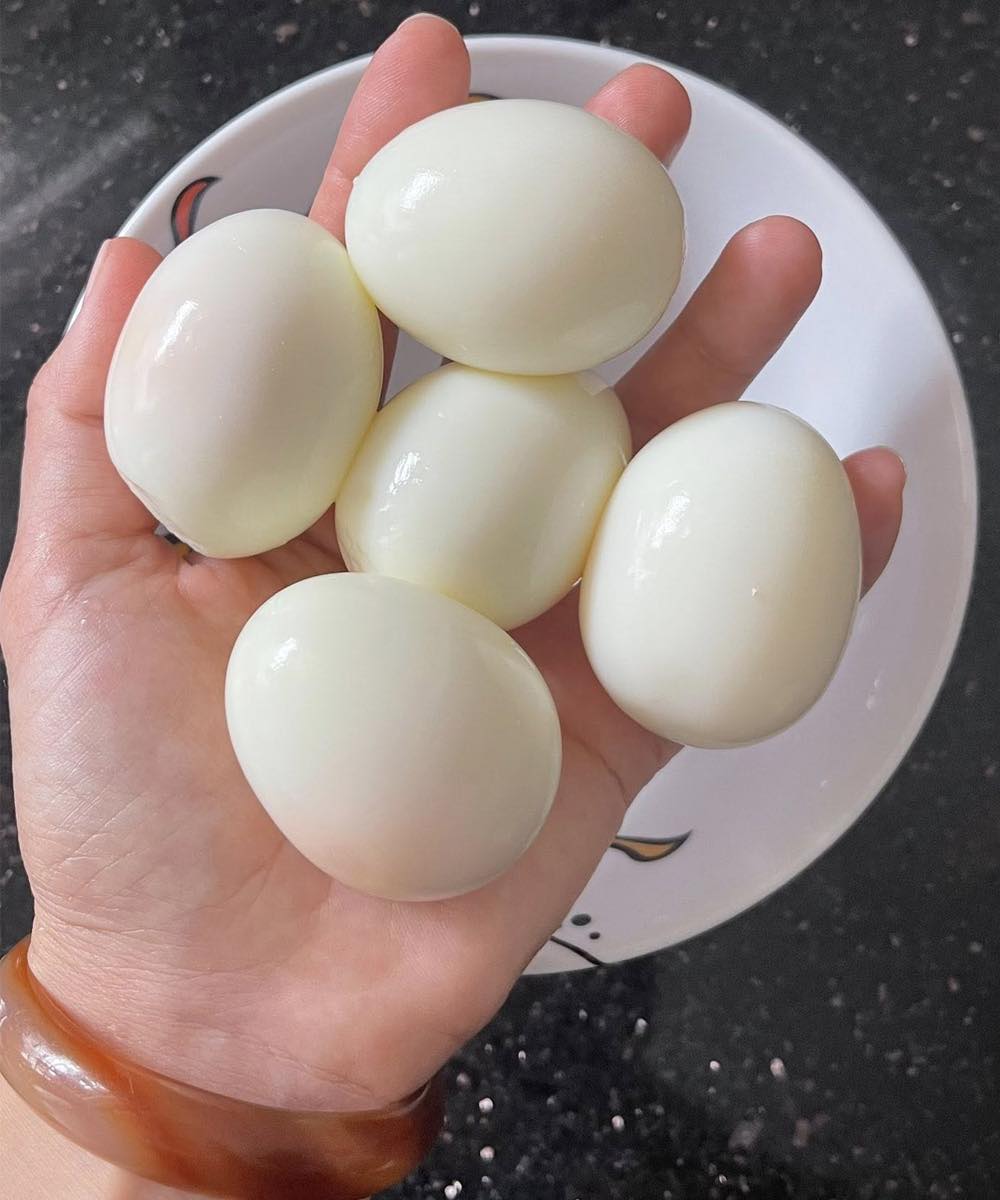
    Eggs are one of the most nutritious and versatile foods, packed with high-quality protein, essential amino acids, and nutrients like choline and vitamin D. “Combined with herbs, eggs become an even more powerful, balanced meal,” supporting muscle growth, brain function, eye health, and weight management.

    Adding herbs enhances both flavor and health. Herbs provide antioxidants, vitamins, and digestive support, and can reduce the need for salt or unhealthy sauces. “Adding herbs to eggs offers several benefits: boosts nutrition, improves digestion, enhances flavor naturally, supports overall wellness.”

    Some of the best herbs to pair with eggs include:
    • Parsley: Rich in vitamin C, vitamin K, and antioxidants; supports detoxification and kidney health. Sprinkle fresh just before serving.
    • Chives: Provide vitamins A and C; aid digestion. Add after cooking.
    • Turmeric: Contains curcumin for anti-inflammatory benefits. Add during cooking with black pepper.
    • Basil: Supports heart health; adds sweet aroma. Add fresh leaves after cooking.
    • Dill: Helps digestion and reduces bloating. Mix into soft scrambled eggs or egg salad.
    • Oregano: Antioxidant-rich and antibacterial. Use sparingly while cooking.
    • Green onions: Support metabolism and provide fiber and vitamins. Cook lightly with eggs.

    For a simple, healthy meal, try Anti-Inflammatory Scrambled Eggs: whisk 2–3 eggs, add a pinch of turmeric and black pepper, cook gently in olive oil or butter, and finish with fresh chives or parsley.

    To maximize benefits, use fresh herbs, avoid overcooking, combine 2–3 herbs for balance, and rely on herbs for flavor instead of excess salt. Eggs with herbs are an easy way to “upgrade your daily diet with minimal effort and maximum benefit,” offering a meal that’s both flavorful and nourishing.

  • How long can a woman live without physical inti.macy?

    How long can a woman live without physical inti.macy?

    We often think intimacy is physical, but it’s mainly emotional—built on trust, warmth, and vulnerability. The desire for connection never disappears; “it simply quiets down, waiting to be awakened.” A woman can live without it, but “not completely thrive,” as something subtle always feels missing.

    Physical distance can be managed, but emotional disconnection is heavier. Feeling “seen, valued, and loved” sustains confidence. Without it, loneliness can quietly grow. Over time, “silence builds invisible walls,” making the heart more guarded and distant.

    Even in solitude, “the body remembers.” A lack of affection can show up as tension, fatigue, or restlessness. Without comforting closeness, stress increases and sleep may suffer. “This isn’t fragility — it’s biology,” showing how deeply humans are wired for connection.

    People turn to work, hobbies, friendships, and routines to fill the gap. While these bring meaning, “they’re never quite the same.” Over time, self-worth may waver, and questions like “Am I still lovable?” can appear—even though this reflects circumstances, not true value.

    The heart learns to cope, yet “part of us remains hungry.” Real intimacy goes beyond touch—it’s shared laughter, understanding, and presence. In the end, “no woman truly wants to live without it.” Independence gives strength, but love and connection give life its deeper meaning and warmth.

  • Sad news for drivers over 70, they will soon no longer be able to

    Sad news for drivers over 70, they will soon no longer be able to

    For many older drivers, a car represents more than movement. It stands for independence, identity, and staying connected to life. Losing a license can feel like losing a part of oneself.

    But reality can be difficult. As seen in tragedies like the crash in La Rochelle, aging can slowly affect key driving abilities. Skills like “peripheral vision, quick reactions, split-second judgment” may decline over time, often “long before some people admit it, or even notice it themselves.”

    The solution is not to remove licenses based only on age. That would be unfair and dismissive. Instead, a more balanced approach is needed—one that focuses on actual ability rather than a number.

    Regular evaluations can help identify problems early. These “ability-based assessments” allow people to keep driving safely for as long as possible without unfairly labeling all seniors as risky.

    At the same time, families and society share responsibility. Loved ones should speak honestly when concerns arise, and governments must provide better options—such as dependable public transport, community shuttles, and affordable taxis.

    In the end, fairness matters. “The real measure of a fair system is whether it can protect children on the street without treating their grandparents as expendable.”