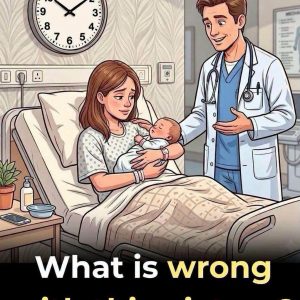
I never imagined one conversation could destroy my relationship with my daughter. At just seventeen, she stood in my kitchen holding her newborn baby, exhausted and scared. She wanted to leave school and find a job, asking me to care for her child until she could get back on her feet. Instead of offering support, I told her I wasn’t a free childcare service and that becoming a mother meant accepting responsibility.
My daughter didn’t argue. She quietly gathered her belongings and left with her baby. The next morning, I found a note on the kitchen table explaining that she understood my decision and would no longer expect visits or phone calls. At first, I thought she was being dramatic and assumed she would eventually return. But weeks turned into months, and neither she nor my grandchild came back. My pride kept me from reaching out, and I convinced myself she needed to learn independence.
Years of silence passed before my health began to deteriorate. After several medical tests, doctors diagnosed me with a serious illness. Suddenly, I regretted the time I had wasted being stubborn and wondered whether I would ever have another chance to reconnect with my daughter. Finally, I called her and admitted that I was frightened and needed her support.
She listened before replying, “Mom, I’m not your free caregiver either.” I reminded her that I was her mother, expecting her to remember everything I had sacrificed for her. Her response broke my heart: “And I was your daughter when I needed you most.” Then she ended the call, leaving me alone with the consequences of my choices.
For the first time, I understood that being a mother didn’t give me unlimited chances to hurt someone and still expect forgiveness. I had refused to help my daughter when she was vulnerable, and now she was protecting herself. My illness taught me a painful lesson: **love is not about demanding loyalty or support, but about showing compassion when the people we love need us most.**