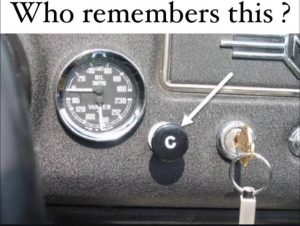
Decades ago, a small button on a car’s dashboard played an important role in starting the engine, especially during cold weather. Known as the manual choke, it helped older cars start by adjusting the air-fuel mixture before the engine warmed up. Drivers had to pull the button before starting the car and gradually push it back in as the engine reached its normal temperature.
Before modern fuel-injection systems became common, most cars relied on carburetors, which mixed air and fuel for the engine. On cold mornings, starting the engine could be difficult because fuel did not vaporize as easily. The manual choke helped solve this problem by reducing the amount of air entering the carburetor, creating a richer mixture that made starting easier.
Using the choke was once a normal part of driving. Drivers had to understand when to use it and how much to adjust it. Pulling it too far or leaving it engaged for too long could cause the engine to run poorly or use more fuel than necessary.
Today, automatic choke systems and modern fuel injection have made this small dashboard button largely unnecessary. Most newer drivers have probably never used one, but for those who remember older vehicles, the manual choke remains a reminder of a time when starting a car required more attention and hands-on knowledge.