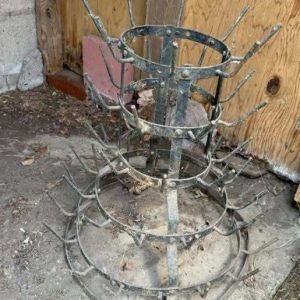
Have you ever spotted a strange metal object beside the entrance of an old house? It may look like a decorative piece, but it was once a practical household tool known as a boot scraper, used to remove dirt and mud from shoes before entering a building.
Known in French as a “décrottoir,” boot scrapers were designed with rough metal edges against which people rubbed the soles and sides of their footwear. This helped remove mud, dirt, and animal waste, keeping homes cleaner. They became especially common during the 18th and 19th centuries, when unpaved roads and streets were often covered with mud, puddles, and waste from horses.
Boot scrapers were installed near the entrances of houses, churches, shops, and public buildings. Most were made from durable cast iron, allowing them to withstand years of use and exposure to harsh weather. While some had simple designs, others featured decorative patterns and curved shapes, reflecting the craftsmanship of the Victorian era.
As cities developed paved streets, cleaner sidewalks, and improved sanitation, people carried less dirt indoors. Boot scrapers gradually became unnecessary and disappeared from many entrances, replaced by more modern ways of cleaning footwear.
Many old houses still preserve their original boot scrapers, and some homeowners restore them as charming architectural details. Today, these forgotten objects offer a glimpse into everyday life in the past, reminding us how previous generations solved common problems with practical, durable, and surprisingly elegant inventions.