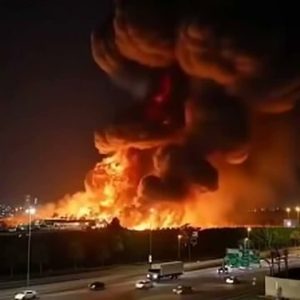
Missile strikes targeting Ras Laffan in Qatar have raised immediate concerns about global energy stability, following reported damage to critical infrastructure at one of the world’s largest liquefied natural gas (LNG) export hubs.
While no casualties have been confirmed, the scale of the disruption has drawn attention from governments and energy markets alike, given the facility’s central role in global supply. Ras Laffan is a key node in the international energy system, handling a significant share of LNG exports that supply Europe and parts of Asia.
Even a partial interruption can create noticeable ripple effects, particularly in regions that rely heavily on imported gas. In recent years, many European countries have shifted away from Russian energy sources and increased their dependence on LNG imports, including those from Qatar.
As a result, any sustained disruption places additional pressure on already tight supply chains. The extent of the physical damage is still being assessed, but early indications suggest that repairs could take considerable time, especially if core processing or export infrastructure has been affected. Unlike short-term supply interruptions, damage at this scale cannot be quickly offset, and replacement volumes are limited.
Analysts have warned that prolonged constraints could contribute to higher energy prices, affecting both electricity costs and industrial production in dependent markets. The potential economic impact extends beyond energy bills, as industries that rely on stable gas supplies may face reduced output or increased operational costs.
Beyond the immediate economic effects, the incident underscores a broader shift in how energy security is viewed. Facilities once considered relatively insulated from direct conflict are increasingly seen as potential targets, reflecting the growing intersection between geopolitical tensions and critical infrastructure.
Taken together, the strike highlights a changing reality in global energy dynamics. Stability can no longer be assumed, even in well-established production hubs, and disruptions in one region can quickly translate into global consequences. As markets respond and governments reassess risk, attention is likely to focus on both immediate mitigation and longer-term strategies aimed at protecting the infrastructure that underpins the global economy.