The message of redemption in 2 Corinthians reveals the depth of Christ’s sacrifice. It is a mystery so powerful that Pope Benedict XVI described it as a moment when God seemed to “turn against Himself.” This shows a love that is not distant or abstract, but one that enters fully into human pain and brokenness to offer healing and hope.
This truth challenges the modern “culture of the new.” Long ago, the people of Athens “spent their time in nothing except telling or hearing something new,” a warning that feels strikingly relevant today. Modern life often pulls people into distraction, constant noise, and shallow attention, leaving little space for reflection or spiritual growth.
The result is often “superficiality,” “media misuse,” and “spiritual inertia.” Instead of seeking deeper meaning, many become trapped in endless information and distraction. This noise can drown out the quiet invitation to inner renewal and change.
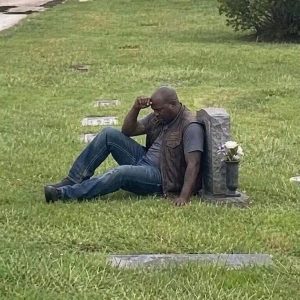
The suffering of Christ is not only a past event. It can still be seen today in the pain of the innocent, the loneliness of the forgotten, and the harm caused by selfishness and neglect. These are the living wounds of the modern world, reminders that the struggle between love and brokenness continues around us.
True conversion requires action. It is not only about personal belief but about generosity and justice. Acts of giving restore dignity to others and reshape the heart of the giver. They help repair the social fabric where it has been torn.
This season is an invitation to renewal. Guided by faith and reflection, believers are called to become “the salt of the earth and the light of the world.” In a divided world, this mission is not about comfort, but about becoming instruments of reconciliation, hope, and lasting change.