Former House Speaker Newt Gingrich has renewed concerns about growing political division in Washington, arguing that partisanship is increasingly replacing cooperation and effective leadership. His comments sparked discussion as many Americans continue expressing frustration with government dysfunction and political conflict.
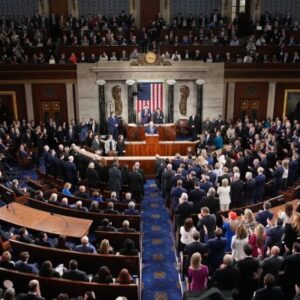
According to Gingrich, recent events in Congress revealed a deeper problem within the political system. He suggested that party loyalty has become more important than collaboration and national unity. Referring to reactions during a joint session of Congress, he stated, “They couldn’t applaud anything,” arguing that political divisions now influence even moments intended to bring people together.
Gingrich also pointed to polling from his organization that reportedly found widespread public concern about corruption and dysfunction in government. While opinions differ on the causes, many Americans share concerns about issues such as political gridlock, partisan conflict, government inefficiency, media polarization, and accountability in Washington.
The debate over how to address these problems remains divided. Supporters of Gingrich’s position believe institutional reform and greater accountability are needed to restore confidence. Critics argue that polarization exists across the political spectrum and that heated political rhetoric often contributes to the very divisions being criticized.
Despite these disagreements, one concern appears increasingly common: trust in government is weakening. Political analysts frequently warn that when citizens lose confidence in public institutions, frustration can lead to disengagement, cynicism, and deeper social divisions. As a result, many voters are calling for “Honest communication,” “Practical solutions,” “Bipartisan cooperation,” and stronger accountability from elected leaders.
The broader discussion reflects growing concern about the future of American political culture. Whether the solution comes through reform, cooperation, or a combination of both, many people agree that rebuilding public trust may require leaders who place public service ahead of partisan conflict.