Republican leaders have defended Donald Trump’s campaign against Iran by arguing that the military action is both strategically necessary and morally justified. They describe Tehran as a dangerous threat and present the operation as a reluctant but necessary response designed to protect innocent lives rather than provoke conflict. In their view, the use of force is not an act of aggression but a measure intended to prevent greater harm.
Supporters of the campaign have relied on moral and religious arguments to strengthen their position. They claim that military action can serve a greater good by preventing future violence and saving civilians from terrorism. As one argument suggests, force may help spare **“millions of innocent people”** from suffering, portraying the intervention as a form of justice rather than revenge.
At the same time, Pope Leo XIV has offered a sharply different perspective, rejecting the idea that faith should be used to justify war. His message challenges the religious reasoning presented by supporters of the campaign, emphasizing that violence cannot easily be reconciled with Christian teachings. In one of the strongest statements on the issue, he warned that Christ **“does not listen to the prayers of those who wage war,”** highlighting a moral opposition to armed conflict.
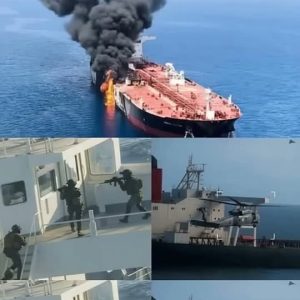
The disagreement has widened as political tensions continue to grow. Trump’s strong public responses and the reported Navy blockade of Iranian ports have intensified debate over whether military power should be supported through religious principles or questioned on ethical grounds. The discussion now extends beyond politics and national security into broader questions about faith and morality.
What began as a dispute over foreign policy has evolved into a deeper debate over the relationship between religion and war. Supporters argue that force can be justified to protect lives, while critics insist that faith should encourage peace instead of conflict. The contrasting views have turned the issue into a larger conversation about whether religious beliefs should endorse military action or stand firmly against it.