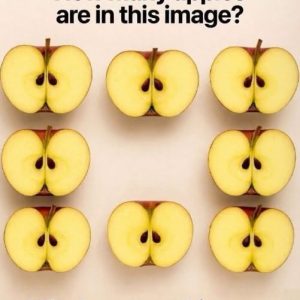
The human brain is often called “the most complex machine we know,” yet it can be surprisingly easy to fool. We trust our eyes, believing they show reality clearly, but in truth, “our eyes only gather light, while the brain interprets and builds the final image.” Because of this, what we see isn’t always accurate, and sometimes “that interpretation is flawed,” creating moments where reality and perception don’t match.
Optical illusions aren’t just puzzles—they happen in everyday life. Lighting, angles, or even “a well-timed photograph” can create confusing visuals that make us question what we’re seeing. These situations show how easily perception can be influenced without us noticing, often through small, ordinary changes around us.
The reason lies in how the brain works. To save time, it uses shortcuts known as heuristics. These help us react quickly, but they can also lead to errors. When something looks familiar, “the brain jumps to conclusions before analyzing all the details,” which can create false impressions or misinterpretations.
Illusions also appear naturally and in human-made environments. In nature, reflections can blend sky and land, while animals use camouflage to “make them almost invisible… even when they are in plain sight.” In cities, reflective buildings and unusual shadows can distort shapes and depth, making flat surfaces look three-dimensional or objects appear twisted and unreal.
Even small details like color and texture can confuse the brain, hiding parts of objects or changing how they look. Forced perspective can make objects seem bigger or smaller than they are, challenging our sense of space. In the end, these moments remind us that “perception is not perfect,” and by looking closer, we can better understand how our brain shapes what we see.