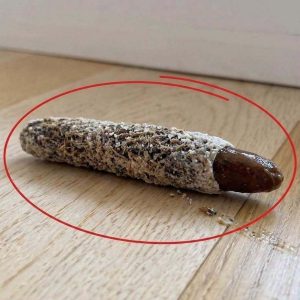
Most insect bites are harmless and fade quickly, but some deserve a bit more attention. One insect that has gained increasing notice is the kissing bug, also known as the triatomine bug. It is mainly active at night and tends to bite while people are asleep, which means many never realize they were bitten. Because of this, recognizing possible signs and understanding how the body may respond can help improve awareness without causing unnecessary alarm.
Kissing bug bites are usually painless because the insect releases a numbing substance while feeding. When a visible reaction does occur, it often looks like a typical insect bite, with mild redness, light itching, or slight swelling. These symptoms are generally minor and tend to fade on their own without treatment. In some cases, swelling may appear around sensitive areas such as the face or eyes, which can look more noticeable, but it is still often mild and temporary.
In the days or even weeks after a bite, some people report general symptoms such as tiredness, headaches, low-grade fever, or muscle discomfort. These symptoms are quite common and can easily be confused with everyday fatigue, stress, or minor seasonal illnesses. Occasionally, the body’s response may also include swollen lymph nodes or mild digestive discomfort, which can further make it difficult to connect the symptoms to a specific cause.
Because these signs are often subtle and nonspecific, paying attention to how long they last and whether they change over time is important. If symptoms persist, worsen, or appear after possible exposure in areas where kissing bugs are known to live, it is sensible to consult a healthcare professional. Early evaluation can help determine whether any follow-up or monitoring is needed.
Overall, staying informed, observing any unusual changes in your body, and seeking guidance when necessary are practical steps. This approach helps support long-term well-being while avoiding unnecessary concern or overreaction to what are often mild and temporary symptoms.