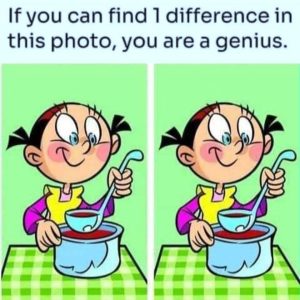
Our eyes often mislead us without any warning. A single image—a girl floating, a staircase going nowhere, a building that makes no sense—feels instantly clear. We think we understand it completely, as if what we see is unquestionable.
But a small shift changes everything. Tilt the image or look from another angle, and the certainty disappears. What once felt obvious becomes confusing. The “truth” was never stable—it only seemed that way because our mind quickly filled in the gaps.
This happens because the brain relies on shortcuts. It makes “quick assumptions and quiet guesses,” building a version of reality that feels safe and complete. We don’t notice it happening, but we trust it anyway.
As we become aware of these moments, that trust weakens. The girl, the stairs, the missing floor—all show how easily perception can be shaped. Sight, which we rely on the most, acts less like a neutral observer and more like something “defending a story it already prefers.”
Optical illusions make this clear. Simple things like lines, shadows, and contrast can trick the brain, proving that clarity doesn’t always mean accuracy. The real discomfort comes after—if a still image can fool us so completely, what about our memories, conversations, or first impressions?
In the end, illusions may not be tricks at all. They are warnings. They show that certainty is fragile, and real understanding begins the moment we question what seems most obvious.