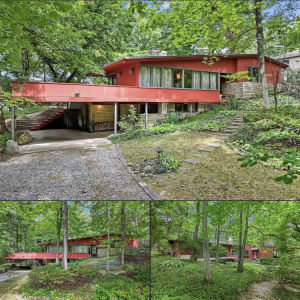
At first glance, a purple fence or a tree marked with purple paint may look unusual or decorative. In many parts of the United States, however, it carries a serious message. A purple marking can mean **“No Trespassing,”** warning people that the land is private and they should not enter without permission. Unlike ordinary signs that can fall down, fade, or be removed, painted markings provide a more permanent way for landowners to identify restricted property.
The practice began in the United States, with Texas adopting its Purple Paint Law in 1989. Other states later introduced similar rules, including North Carolina, Missouri, Illinois, Florida, Pennsylvania, and Kansas. The exact requirements vary by state, but the basic purpose remains the same: make private property boundaries easier to recognize without relying only on traditional signs.
Purple was chosen because it is highly visible and stands out against natural colors such as green and brown. In states where the law applies, landowners generally use vertical purple marks on trees, posts, or fences. Specific rules can determine the size, height, and spacing of these markings so they are clearly visible to anyone approaching the property.
Ignoring a purple marking can have legal consequences. Entering marked private land without permission may be considered trespassing and can lead to fines or other penalties, depending on local law. This is particularly important for hunters, hikers, campers, and anyone traveling through rural areas.
The next time you see a bright purple mark on a fence, tree, or post, do not assume it is simply decoration. In places where purple paint laws are recognized, it is a clear warning to stay off the property unless you have permission from the landowner.