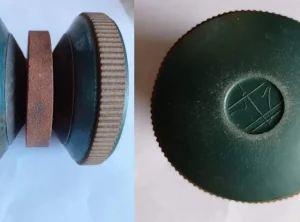
An old kitchen gadget recently shared in a vintage collectibles group left people scratching their heads. With its metal parts, unusual handle, and rough wheel in the middle, it looked more like a strange mechanical device than something used in the kitchen. After some guessing, someone finally identified it as an antique knife sharpener.
Although its design looked outdated, it served a purpose that remains important today. Before electric sharpeners became common, people relied on grinding stones and manually operated tools to keep their kitchen knives sharp. These devices required patience and practice, but they helped blades last for years.
The rough wheel in the middle was a grinding stone designed to remove a small amount of metal from the knife’s edge, restoring its sharpness. The principle is still used in modern sharpening tools, even though today’s models are often smaller, safer, and easier to operate.
A sharp knife makes everyday cooking easier, from chopping vegetables to slicing meat. Dull blades require more pressure, can slip unexpectedly, and make food preparation frustrating. Keeping knives sharp can improve control and reduce the need to force a blade through ingredients.
Modern kitchens have several options, including electric sharpeners, pull-through sharpeners, sharpening stones, and honing rods. While sharpening stones restore a dull edge, honing rods help realign an edge between sharpening sessions.
Antique sharpeners can still be fascinating discoveries, but worn grinding wheels, rust, or loose parts may make them unsafe to use. They can be appreciated as collectibles even if they no longer work.
Sometimes, the strangest objects hiding in old kitchen drawers turn out to be tools people once relied on every day.