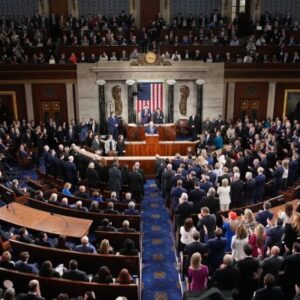
Several Republican leaders, including Donald Trump, Mike Johnson, and Mitch McConnell, have expressed support for a tougher U.S. policy toward Iran, arguing that it is “essential to national security and global stability.” They believe a firm approach can help deter threats, protect American interests, and strengthen the country’s position in a volatile region.
Supporters also argue that combining military preparedness with diplomatic pressure could discourage hostile actions and reduce the risk of wider conflict. They point to concerns about Iran’s regional influence and ongoing security challenges, saying that “decisive policies may reduce the likelihood of larger conflicts” by demonstrating strength and resolve.
At the same time, religious leaders and peace advocates have called for restraint, emphasizing diplomacy over confrontation. They stress “the importance of diplomacy, dialogue, and the protection of human life,” warning that military action could carry serious humanitarian consequences and increase instability rather than solve existing problems.
The differing views reflect a larger debate over how governments should respond to complex international crises. Leaders must balance security concerns with ethical responsibilities while making decisions under uncertain and rapidly changing conditions. The discussion highlights the challenge of protecting national interests without escalating tensions.
As the debate continues, opinions remain divided over the best course of action. The issue illustrates the difficulty of balancing security, diplomacy, and moral responsibility in foreign policy, with supporters favoring a stronger stance and others urging peaceful solutions whenever possible.