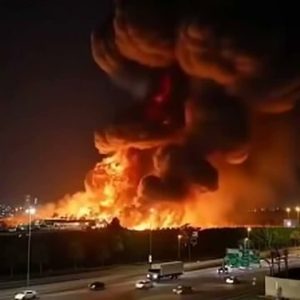
Creosote is one of the most overlooked fire hazards in homes with fireplaces, wood stoves, or wood-fired ovens. It forms slowly inside chimneys and flues, often without any obvious signs, yet it can eventually lead to dangerous chimney fires reaching extreme temperatures of over 2,000°F.
Every time wood burns, smoke and unburned particles rise through the chimney. As they cool, they condense on the inner walls and form creosote — a dark, tar-like substance that builds up over time.
It develops in three stages. Stage 1 appears as light, flaky dust that can be brushed away during cleaning. Stage 2 becomes a hard, shiny coating that is more difficult to remove and significantly increases fire risk. Stage 3 is the most dangerous: a thick, tar-like glaze that is highly combustible and extremely difficult to clean, requiring professional treatment before the chimney can be used again.
The danger comes from how easily it can ignite. Creosote can catch fire at around 451°F, while wood-burning fires produce far higher temperatures. Once ignited, a chimney fire can rapidly reach 2,000°F, damaging flues, cracking masonry, and potentially spreading to the structure of the home. These fires cause millions in property damage each year.
Warning signs include dark staining around the fireplace, thick deposits inside the flue, reduced airflow, falling black debris, strong smoky odors, smoke entering the room, or unusual roaring sounds during a fire. Each of these signals advanced buildup that should not be ignored.
Several factors speed up creosote formation, including burning wet wood, maintaining low smoldering fires, restricted airflow, cold chimney temperatures, and infrequent use. Prevention is straightforward: burn only seasoned hardwood, keep fires hot and well-ventilated, fully open the damper, warm the flue before use, and schedule annual professional inspections and cleaning.
If heavy buildup is suspected, stop using the fireplace immediately and call a certified chimney professional. Creosote is preventable, but when ignored, it can become a serious and fast-moving fire risk.