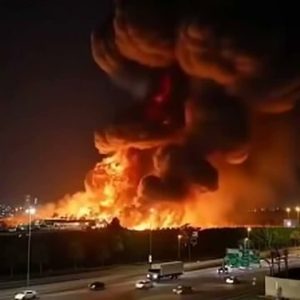
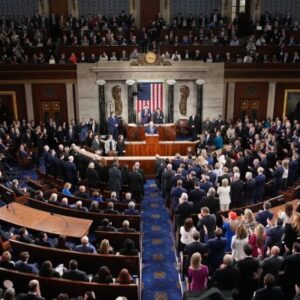
The political shift appeared sudden when Cameron Hamilton warned lawmakers that dismantling disaster response systems could “cost lives.” Not long after making those comments, he was removed from his position, fueling debate over the future of federal emergency management in the United States.
Many observers saw his departure as more than simple staff turnover. It intensified concerns about how national disaster response policies may change in the coming years, especially during major emergencies that affect several states at once.
At the center of the debate is the role of the Federal Emergency Management Agency, known as FEMA. Critics argue the agency has struggled with inefficiency, bureaucracy, and political pressure. Supporters, however, believe FEMA remains essential because it coordinates large-scale disaster relief that individual states may not be able to manage alone during hurricanes, wildfires, floods, or other nationwide crises.
Donald Trump and several allies have proposed shifting more responsibility for disaster aid to state governments instead of relying heavily on federal coordination. Supporters of this idea say states can often respond faster and better understand local needs, while critics fear the move could weaken nationwide emergency organization.
Opponents warn that reducing FEMA’s authority could create confusion when multiple disasters happen at the same time across different regions. They argue a centralized system helps organize resources, funding, and emergency personnel more effectively during national emergencies.
In the end, the controversy reflects a larger national question: whether disaster response should be reformed with more state control or whether the country should preserve a centralized federal system designed to handle emergencies on a nationwide scale.