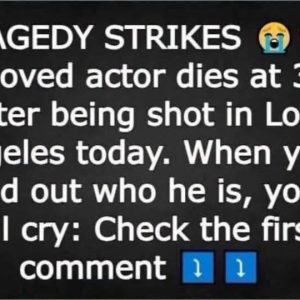
Recent social media posts falsely claimed that former President Donald Trump was involved in a second shooting incident in Washington, D.C. The rumor spread rapidly online, “triggered thousands of interactions across various platforms within minutes.” However, the claims were quickly proven false, showing how fast misinformation can circulate before verification occurs.
No official authorities supported the story. “Neither the United States Secret Service nor any credible law enforcement agencies have issued statements or emergency alerts regarding such an event.” Experts also point out that “the absence of an immediate official briefing is frequently the most reliable sign that a viral story lacks a factual basis,” especially in high-profile security incidents.
Investigations suggest the content was digitally manipulated. “This strategy is often employed by anonymous or low-credibility accounts to exploit algorithmic rewards for high-engagement, emotionally charged content.” In many cases, recycled images or old footage are repackaged with misleading captions to create a false sense of urgency.
Although fact-checkers later debunked the claims, “By the time these claims are debunked by fact-checkers, they have often already achieved significant reach and caused unnecessary public alarm.” Some confusion may have been amplified by the real 2024 assassination attempt on Trump in Butler, Pennsylvania, which had been widely documented.
Overall, the incident highlights the risks of rapid information sharing in a polarized digital environment. “This episode serves as a stark reminder of the risks associated with a polarized digital landscape,” reinforcing the need to rely on verified sources and avoid amplifying unconfirmed viral claims.